A journey of Connection and Support
This post contains affiliate links. As an Amazon Associate We earn from qualifying purchases at no additional cost to you.
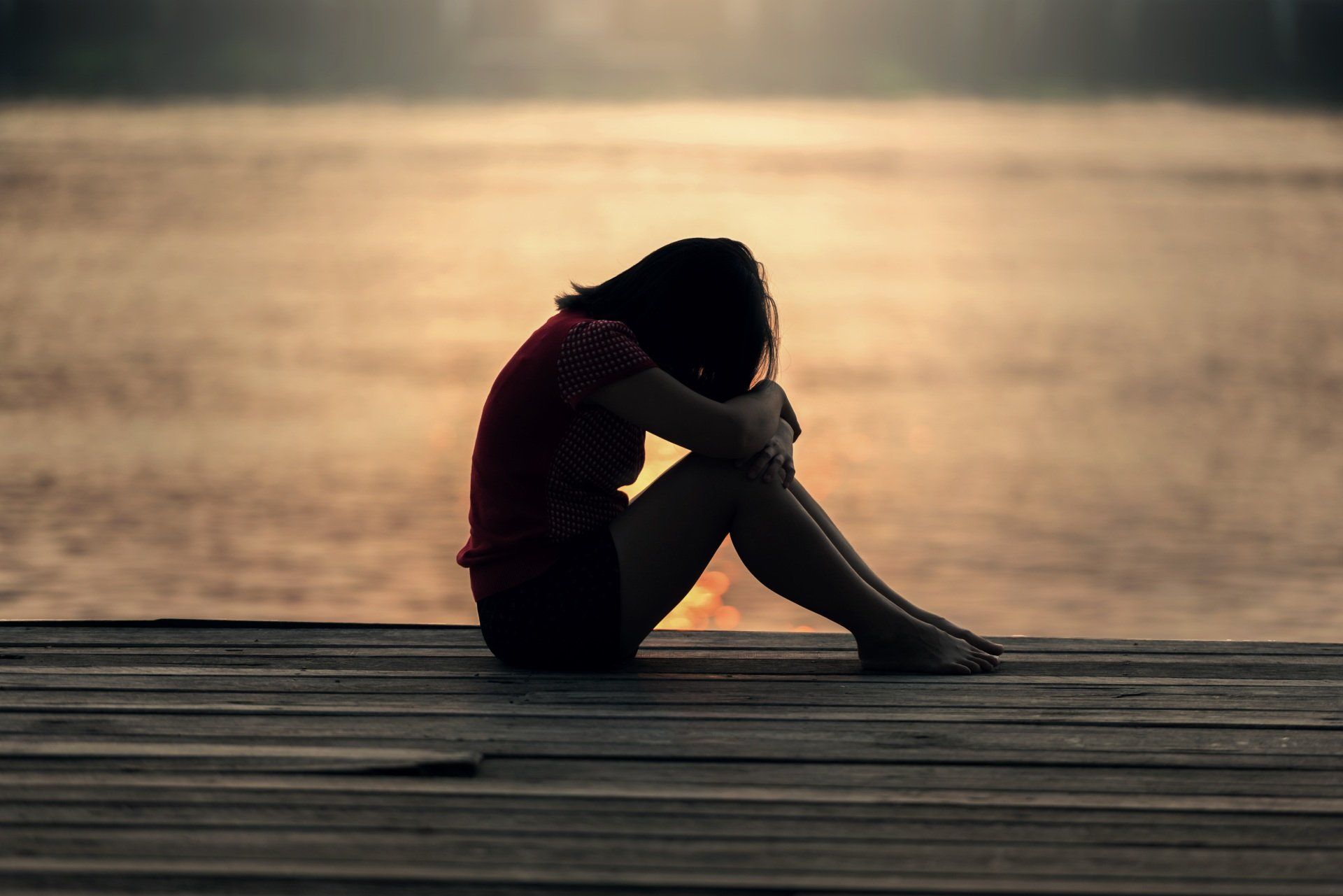
Loneliness is one of the most common experiences women carry — and one of the least talked about. The pressure to appear composed, capable, and content leaves little room for admitting that life sometimes feels isolating. But the research is clear: connection is not a luxury. It is a fundamental human need, and the absence of it has measurable consequences for both mental and physical health.
This is an article about why that matters — and what to do about it.
The Weight of Expectations
Most women are familiar with the pressure to have it together. To be successful, present, and unfazed — all at once. Behind that facade, self-doubt and insecurity are far more common than they appear. The highlight reels of social media and the curated perfection of public life make it easy to assume that everyone else is managing better than you are.
They aren't. The gap between what women show and what they feel is one of the most consistent findings in research on female well-being. Recognizing that gap — in yourself and in others — is the first step toward genuine connection.
The Science of Connection
Human beings are wired for social connection. Studies consistently show that loneliness and social isolation increase the risk of anxiety, depression, and even physical illness. Conversely, strong social bonds are among the most reliable predictors of resilience, happiness, and longevity.
What's less discussed is the quality of connection that matters most. Superficial interaction — scrolling feeds, accumulating followers, maintaining appearances — doesn't meet the need. What the research points to is vulnerability: the willingness to be known, not just seen.
Brené Brown has spent decades studying this, and her book The Gifts of Imperfection remains one of the most practical guides to letting go of who you think you should be and embracing who you are. It's the kind of book that women return to repeatedly — and recommend to every woman they care about.
The Strength in Sharing
Vulnerability is not weakness. This is one of the most important reframes available to women navigating isolation. The act of sharing a struggle — honestly, without softening it for someone else's comfort — creates the conditions for real connection. It signals to others that they are safe to do the same.
This doesn't require grand confessions or public declarations. It can be as simple as telling a friend you're having a hard time instead of saying you're fine. It can be joining a group of women with shared interests or experiences. It can be reading a book that articulates something you've never been able to put into words yourself.
Glennon Doyle's Untamed does exactly that for many women. It's the story of one woman's decision to stop performing and start living honestly — and it has resonated with millions of readers because it names things most women have felt but never heard said out loud.
Embracing Imperfection
One of the most damaging myths women absorb is that worthiness is conditional — that connection must be earned by being enough. Enough accomplished. Enough together. Enough recovered from whatever has happened.
Real connection works the opposite way. It is built not on projected strength but on shared humanity — the honest acknowledgment that life is hard, that nobody has it figured out, and that showing up imperfectly is still showing up. The women who find the deepest sense of community are rarely the ones who seem to have everything together. They are the ones willing to admit they don't.
Finding Your People
Connection doesn't happen passively. It requires intentional effort — especially for women whose lives have become increasingly busy, structured, and screen-mediated. A few practical places to start:
Seek out communities organized around shared experience rather than shared performance. Recovery groups, book clubs, wellness communities, faith communities, and interest-based groups all create conditions for authentic connection in ways that casual social settings often don't.
Invest in existing relationships with more honesty. Often the connections women already have are deeper than they know — they've simply never been tested by real conversation.
Consider working with a therapist or counselor, not as a last resort but as a proactive investment in self-understanding. The ability to articulate your own inner world is foundational to connecting with others.
A self-compassion journal — one designed to guide honest reflection rather than just track moods — can be a meaningful starting point for this inner work. This one is structured, accessible, and genuinely useful for women who want to develop a kinder relationship with themselves before extending that to others.
You Are Not Alone
Whatever is being carried right now — the exhaustion, the self-doubt, the quiet grief of a life that doesn't look the way it was supposed to — it is not unique. It is not a sign of failure. And it does not have to be carried alone.
There are women who have walked the same path, felt the same weight, and found their way through. Connection to those women — through community, through story, through the simple act of reaching out — is not a weakness. It is one of the most powerful things available.
Reach out. Share something true. Listen to someone else do the same. That is where the tapestry gets woven.
— Patricia Elise