For Real Women with Real Lives

This post contains affiliate links. As an Amazon Associate We earn from qualifying purchases at no additional cost to you.
I used to read those morning routine articles and feel exhausted before I'd even gotten out of bed.
Wake up at 5am. Meditate for 20 minutes. Journal for 30. Exercise for an hour. Make a green smoothie. Cold shower. Read 10 pages. Visualize your goals.
By the time I'd finished reading the list, I was already behind.
Here's what I've learned after years of trying to build a morning that actually sets me up rather than stresses me out: the best morning routine is the one you'll actually do. Not the one that looks good on a Pinterest board. The one that fits your real life, your real energy, and your real schedule.
And it doesn't have to take two hours.
Why Your Morning Matters More Than You Think
The first 30 to 60 minutes of your day have a disproportionate influence on everything that follows. Not because of productivity hacks or biohacking — but because of how your nervous system works.
When you wake up, your cortisol levels are naturally at their peak — this is called the cortisol awakening response, and it's your body's built-in alarm system designed to get you moving. What you do in that window either works with that natural energy or immediately fights against it.
Checking your phone first thing? You've handed your nervous system over to other people's priorities before you've even brushed your teeth. Starting with something quiet, intentional, and yours? You're telling your brain that this day belongs to you first.
That shift — as small as it sounds — changes everything about how the rest of the day unfolds.
The Five Elements of a Morning Routine That Sticks
I'm not going to give you a rigid schedule. What I'm going to give you is a framework — five elements that research and real experience both support. You decide how long each one takes. Even five minutes per element gets you to 25 minutes total. That's it.
1. Hydration Before Anything Else
Your body has been without water for seven or eight hours. Before coffee, before your phone, before anything — drink a full glass of water. This single habit, practiced consistently, will do more for your energy and mental clarity than most supplements on the market.
Some women add lemon for digestion support, or a pinch of sea salt for electrolytes. Either way, make it the first thing that goes in your body every morning without exception.
2. Five Minutes of Stillness
This is not meditation in the complicated sense. It's simply five minutes of not being stimulated by anything external. Sit with your coffee. Look out the window. Breathe slowly. Let your thoughts settle before the day picks them up and runs with them.
If you want to formalize it, a short guided meditation works beautifully here. But the goal is simply to begin the day from a place of quiet rather than reaction.
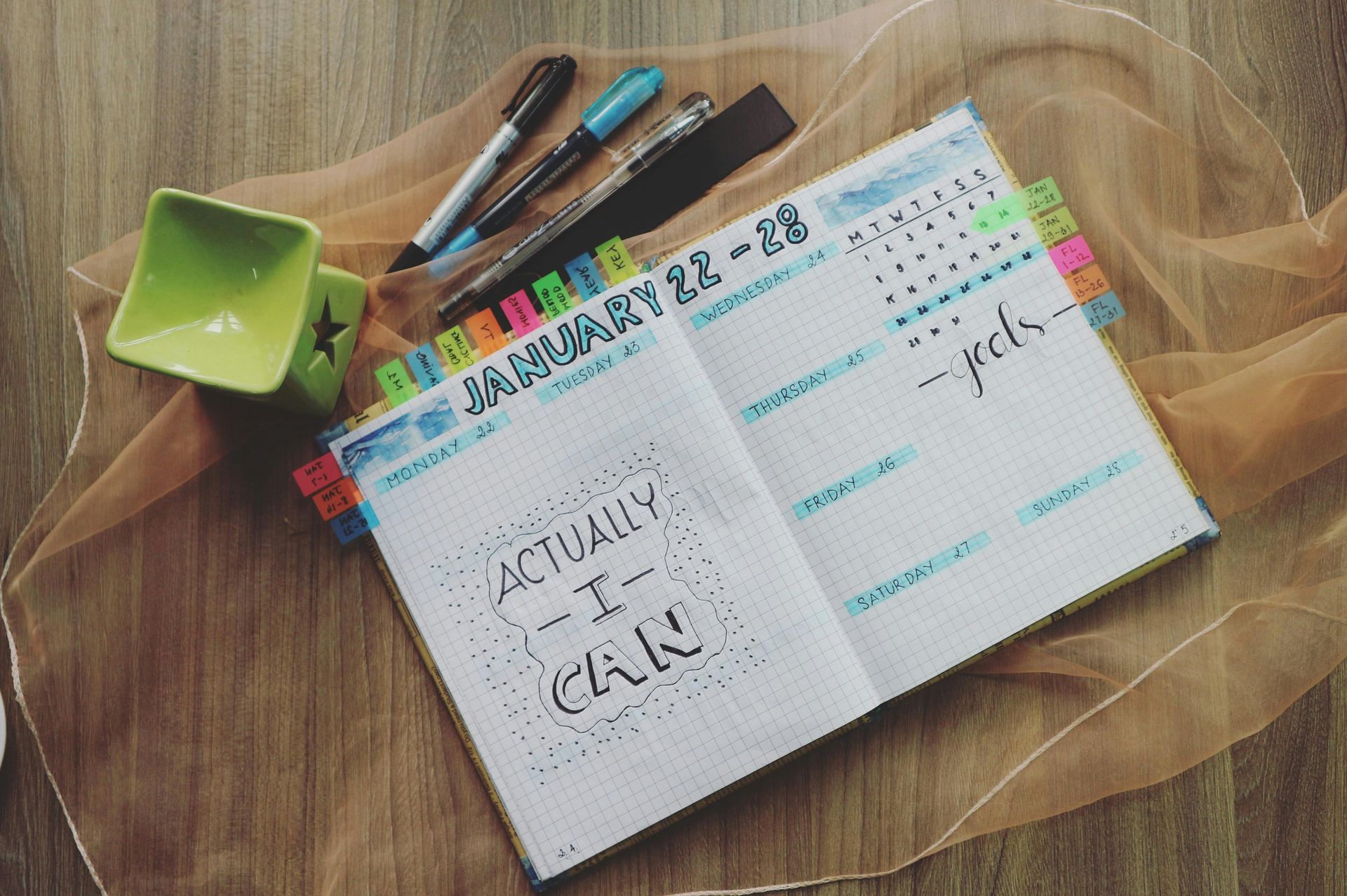
3. Three Minutes of Intentional Writing
You don't need to write pages. Three things you're grateful for. One thing you want to feel by the end of the day. One thing you're letting go of from yesterday.
That's it. Ninety seconds each. But the act of writing — physically, with a pen, on paper — engages your brain differently than typing. It slows you down in a way that's genuinely useful at the start of a day that's about to speed up considerably.
A dedicated journal makes this feel like a ritual rather than a chore. I've been using the Five Minute Journal for years — it's structured enough to remove the blank-page paralysis but open enough to feel personal. It's become the one thing I genuinely look forward to every morning.
4. Something That Moves Your Body
It does not have to be a workout. A ten-minute walk. Five minutes of stretching. A few yoga poses in your living room. The point is to get out of your head and into your body before the demands of the day make that feel impossible.
Movement in the morning raises your body temperature, increases blood flow to the brain, and releases endorphins that counteract the stress hormones that will inevitably arrive later. Even a short walk outside — natural light on your face, fresh air — resets your circadian rhythm in ways that benefit your sleep that night.
On mornings when even a walk feels like too much, I take my magnesium glycinate with that first glass of water. Magnesium supports muscle relaxation, nervous system calm, and sleep quality — and most women are deficient in it without knowing. It's one of the few supplements I genuinely believe in.
5. One Small Act of Self-Care
This is the element most women skip — and it's the one that matters most for how you feel about yourself as you move through the day.
It doesn't have to be elaborate. Washing your face with something that smells good. Applying a moisturizer that feels luxurious. Taking two minutes to do something for your skin, your hair, your body — not because you have to, but because you deserve to start the day feeling tended to rather than merely functional.
A good SPF moisturizer is the single highest-impact skincare step any woman can take. The EltaMD UV Clear Broad-Spectrum SPF 46 is dermatologist-recommended, lightweight, and works beautifully under makeup or alone. Making it part of your morning ritual means sun protection becomes effortless rather than something you remember three hours too late.
The One Thing That Will Make Or Break Your Morning
It isn't what you do in the morning. It's what you do the night before.
The women I know who have consistent, nourishing mornings all share one habit: they protect the hour before bed. No screens after a certain time. A wind-down ritual. Going to sleep at roughly the same time each night.
You cannot build a good morning on top of a chaotic night. The two are inseparable.
If sleep is a struggle for you — and for many women, especially in perimenopause, it is — a sleep support supplement with melatonin and L-theanine taken 30 minutes before bed can help your body shift into rest mode more naturally. I prefer formulas that combine both because L-theanine promotes relaxation without sedation, making the transition to sleep feel gentle rather than forced.
What My Morning Actually Looks Like
I wake up without an alarm when I can — usually around 6:30. The first thing I do is drink a full glass of water that I left on my nightstand the night before.
Then I make a good cup coffee. While it brews, I open my journal and write my three things. By the time I've finished, the coffee is ready and I sit with it for a few minutes before touching my phone.
I do a short stretch — maybe ten minutes, maybe less. I wash my face, apply my SPF, and get dressed.
Start to finish: about 35 minutes. No cold plunges. No 5am alarm. No guilt about what I'm not doing.
Just a morning that belongs to me before it belongs to everyone else.
Building Your Own Version
Start smaller than you think you need to. Pick one element — just one — and do it consistently for two weeks. Then add another. Habits built slowly last. Habits built all at once usually collapse by Thursday.
Your morning routine doesn't need to be impressive. It needs to be yours. It needs to feel like something you're giving yourself, not another item on the list of things you're failing at.
Because the goal isn't a perfect morning. The goal is a morning that makes the rest of the day feel possible.
That's worth getting up for.