And Might Add Years To Your Life
This post contains affiliate links. As an Amazon Associate We earn from qualifying purchases at no additional cost to you.
I used to think that people who aged well had some secret. A special diet. An expensive supplement protocol. Access to information the rest of us didn't have.
The older I get, the more I'm convinced that's not it at all.
The women I know who seem genuinely vital — who have energy, who rarely get sick, who move through their days with something that looks a lot like ease — aren't doing anything dramatic. They're doing small things, consistently, that add up over years into something that looks like luck but isn't.
I've been building my own version of that for a while now. It's not perfect and it's not complicated. But it's mine — and most of it is backed by enough science that I feel confident sharing it.
Here's what I actually do.
1. I Eat Color Before I Eat Anything Else
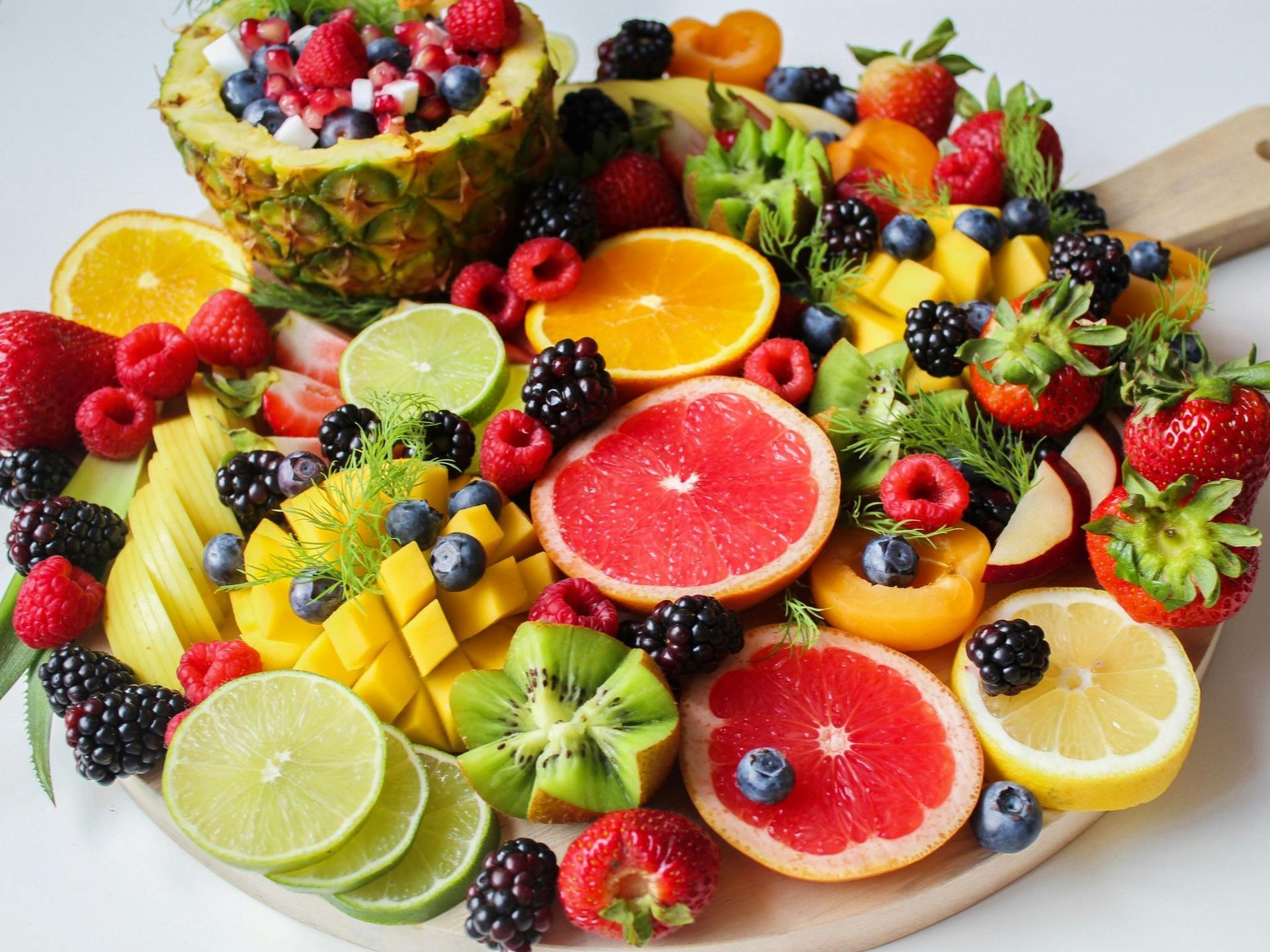
This sounds almost too simple to be worth saying. But the single dietary shift that made the most difference for me was making sure something colorful — real food, not a dyed snack — was the first thing on my plate at every meal.
The reason is straightforward: the antioxidants, vitamins, and minerals that support immune function and slow cellular aging are concentrated in the pigments of plants. Orange, red, purple, dark green — each color represents a different class of phytonutrients, and variety matters as much as quantity.
Berries in particular have been consistently linked to reduced inflammation and cognitive protection as we age. I keep frozen berries in my freezer year-round — into smoothies, onto oatmeal, stirred into yogurt. Cheap, easy, and one of the highest-antioxidant foods available.
2. I Treat Sleep Like a Non-Negotiable
I used to wear my ability to function on little sleep like a badge of honor. I don't anymore.
The research on sleep and immune function is among the most consistent in all of health science. During sleep your body produces and distributes the immune cells that identify and destroy pathogens. People who sleep less than six hours a night are significantly more susceptible to illness — not because they're weaker, but because their immune system is running on a depleted workforce.
Sleep is also when the brain clears metabolic waste through the glymphatic system — a process that may play a significant role in protecting against cognitive decline as we age. Getting seven to eight hours is not laziness. It may be one of the most protective things you can do for your long-term health.
For nights when sleep doesn't come easily — which happens to most of us, especially through perimenopause — I've found that magnesium glycinate taken about an hour before bed makes a genuine difference. It supports muscle relaxation and nervous system calm without the grogginess of sleep aids. It's one of the few supplements I take consistently and genuinely believe in.
3. I Manage Stress Like It's Part of My Health Protocol
Because it is.
Chronic stress is one of the most well-documented suppressors of immune function. Cortisol — the primary stress hormone — directly inhibits the production of immune cells when it's elevated over long periods. It also accelerates the cellular aging process at the level of our telomeres, the protective caps on our DNA that shorten as we age.
I'm not suggesting you eliminate stress. That's not possible and probably not even desirable — some stress is necessary and productive. What matters is whether you have reliable ways to bring your nervous system back to baseline after stress spikes.
For me that's a combination of things: a daily walk outside regardless of weather, the five minutes of stillness in my morning routine, and a consistent wind-down practice at night. None of these are elaborate. All of them work.
Nature exposure in particular — even brief, even urban — has been shown in repeated studies to lower cortisol, reduce blood pressure, and improve immune markers. Twenty minutes outside is not nothing. It's medicine.
4. I Stay Hydrated With Intention
This is the least glamorous item on this list and possibly the most impactful one.
Every system in your body depends on water — including your immune system, which uses lymph fluid (approximately 95% water) to transport white blood cells and filter waste. Chronic mild dehydration, which most of us experience without knowing it, impairs immune response, cognitive function, and energy in ways that are subtle enough to normalize.
The shift that worked for me was making hydration a ritual rather than an afterthought. A large glass of water first thing in the morning before anything else. A quality water bottle that I actually like using — one that's easy to carry and keeps water cold — makes the difference between a habit that sticks and one that doesn't.
The Hydro Flask 32oz water bottle is the one I've had for years. It's not the cheapest option but it's the one I actually use every day, which is the only metric that matters for a hydration habit.
5. I Move My Body Every Day — But Not The Way You'd Expect
I don't have a rigorous exercise program. I don't go to the gym five days a week. What I do is move my body every single day in some form — usually a walk, sometimes yoga, occasionally something more strenuous when I feel like it.
The research on moderate, consistent movement and longevity is overwhelming. It reduces chronic inflammation, supports cardiovascular health, maintains muscle mass (which becomes increasingly important after 40), and keeps the immune system primed and responsive.
What the research also shows — and what took me a while to really absorb — is that the dose-response curve for exercise flattens out fairly quickly. The biggest benefits come from going from sedentary to moderately active. The gains from going from moderately active to intensely active are real but much smaller. This is genuinely good news for those of us who are not and will never be athletes.
A daily walk, done consistently, is more valuable than an intense workout done sporadically. That's not permission to do nothing. It's permission to do something sustainable.
6. I Pay Attention To My Gut
The relationship between gut health and immune function is one of the most significant areas of current health research. Approximately 70% of the immune system resides in the gut — meaning that the health of your digestive system directly influences how well your body can defend itself against illness and manage inflammation.
The practical implication: eat fermented foods regularly. Yogurt with live cultures, kefir, sauerkraut, kimchi. These introduce beneficial bacteria that support immune regulation in ways that are increasingly well understood.
Beyond food, a quality probiotic supplement can be genuinely useful — particularly after illness, antibiotic use, or during periods of high stress when gut bacteria are most disrupted. The Culturelle Daily Probiotic is one of the most well-studied options available and the one I'd point anyone toward who wants to start without being overwhelmed by choices.
The Thread That Runs Through All Of It
None of these habits are extreme. None of them require a complete overhaul of your life or a significant financial investment. What they require is consistency — doing unremarkable things day after day until they become the invisible infrastructure of a life that feels good from the inside.
The women who age well aren't doing something different from the rest of us. They're doing the same things — they're just doing them reliably, without needing them to be exciting.
Pick one habit from this list. Just one. Do it for thirty days without missing a day. Then add another.
That's the whole system.
Here's to a long and genuinely good life.
— Patricia Elise