A Woman's Perspective

This post contains affiliate links. As an Amazon Associate We earn from qualifying purchases at no additional cost to you.
It’s a question we’ve all asked ourselves at some point: “Should I go on a diet?” With society bombarding us with images of slim, toned bodies, it’s easy to feel like dieting is a necessary part of life. From magazine covers to social media influencers promoting detox teas and meal plans, we’re constantly reminded of the “ideal” body type. But is dieting really the right choice for everyone? Let’s take a moment to explore whether dieting is the answer, or if there’s a healthier, more sustainable way to approach how we feel about our bodies.
Diet Culture and Its Impact
The diet culture promotes the idea that thinness equals health, beauty and success. For many women, it instills a belief that our worth is tied to how we look. This often leads to a cycle of restriction, guilt and frustration, often referred to as the “yo-yo” effect, where we diet, see temporary results, then regain the weight and start routine all over again. This constant back and forth battle can take a significant toll on our physical and mental health.
The problem with the diet culture is that it prioritizes appearance over well-being. I find that, when we restrict ourselves from certain foods or entire food groups, we’re more likely to experience intense cravings, followed by those guaranteed feelings of guilt or failure when we eventually indulge. This so often leads to an unhealthy relationship with food, where we associate eating with shame rather than nourishment.
Moreover, many of the popular fad diets aren’t sustainable in the long term. They often rely on rigid rules that are difficult to follow indefinitely. Whether it’s cutting out carbs, severely restricting calories or sticking to a strict meal plan, the reality is that most of us eventually revert to our old eating habits. This can lead to weight regain, frustration and the harmful belief that we lack willpower, when in fact the issue lies with the diet itself.
The Emotional Toll of Dieting
For many of us, dieting isn’t just about food; it’s about our self-worth. Dieting often becomes an emotional rollercoaster, where success on the scale boosts our confidence and setbacks make us feel like failures. This constant evaluation of our bodies can chip away at our self-esteem and foster feelings of inadequacy. We end up defining our value based on what we see in the mirror or on the scale, instead of recognizing all the incredible things our bodies can do.
Studies have shown that chronic dieting can lead to an increased risk of developing disordered eating behaviors, such as binge eating, obsessive thoughts about food and emotional eating. When food becomes a source of stress, it’s no longer serving its true purpose: to fuel and nourish our bodies.
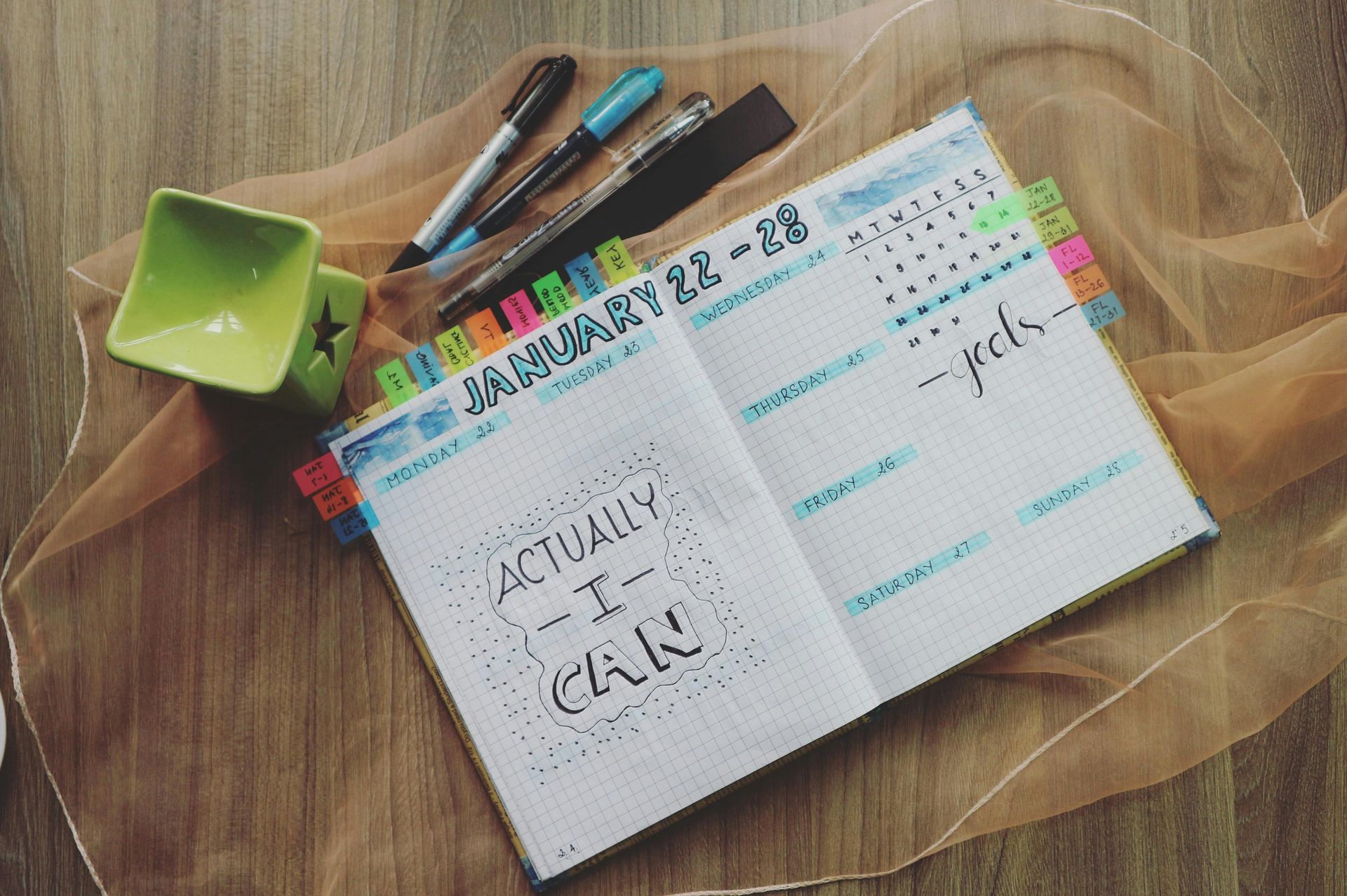
One of the most powerful tools I've found for breaking the emotional eating cycle is a dedicated food and mood journal — not to track calories, but to track how you feel before, during, and after eating. The connection between emotions and food choices becomes incredibly clear when you start writing it down. The The Self Journal by BestSelf Co. is a beautifully designed option that guides you through this process without any diet-culture framing — it's about awareness, not restriction.
As women, we’re often taught to shrink ourselves—to take up less space, to be smaller and to fit into certain societal standards. But what if we shifted the focus from shrinking our bodies to expanding our lives?
What if, instead of measuring our worth by our waistlines, we measured it by our happiness, our energy levels and our mental well-being?
Rethinking the Diet Mentality
Rather than asking, “Should I go on a diet?” a better question might be, “How do I want to feel in my body?” Shifting the focus from weight to health, energy, and overall well-being allows us to make choices that honor our bodies rather than punish them. Food should be a source of nourishment and enjoyment, not anxiety or guilt.
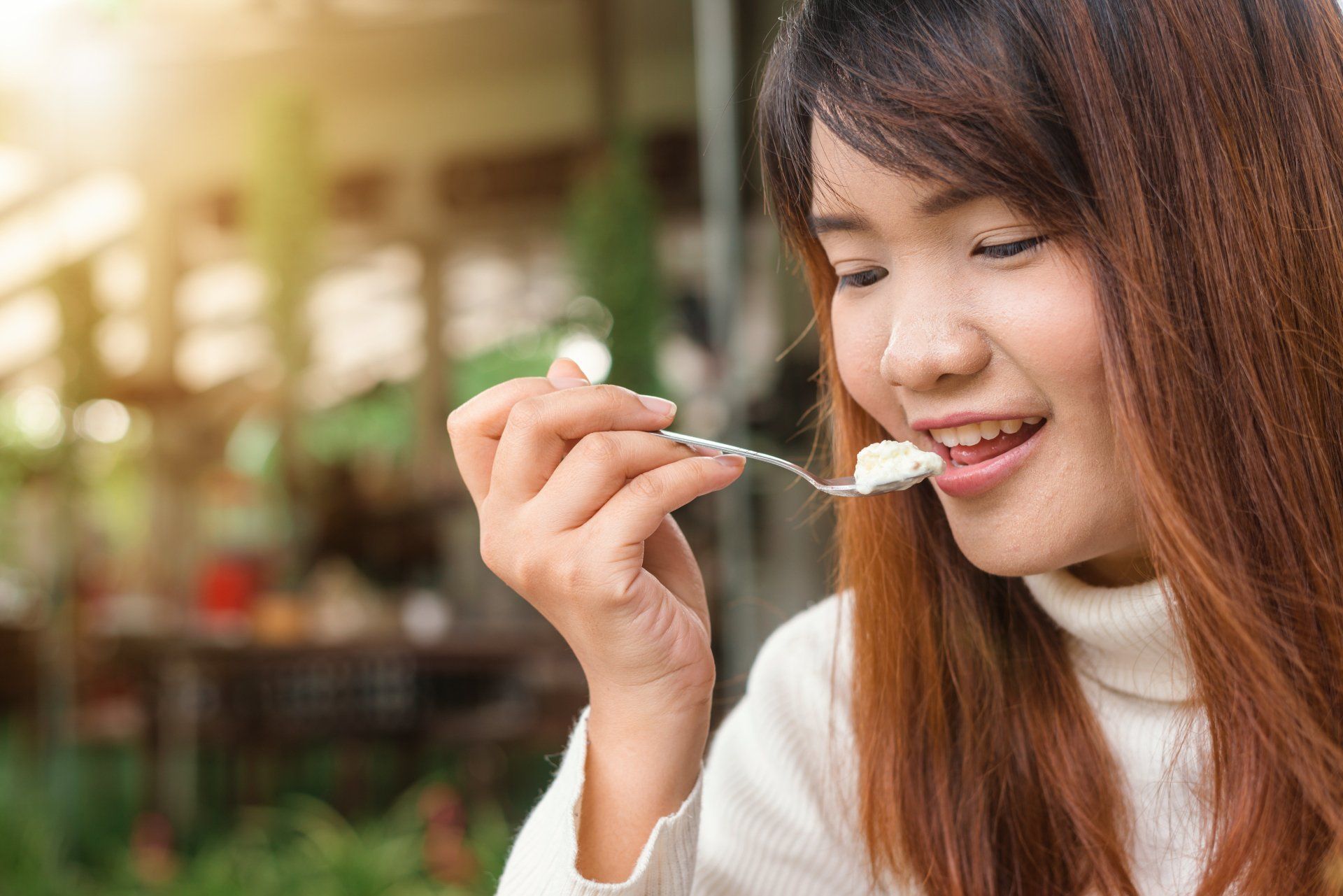
Healthy eating doesn’t have to mean deprivation or following strict rules. It can mean listening to your body, enjoying a variety of foods and practicing mindful eating. Mindful eating involves paying attention to hunger cues, eating slowly and savoring the experience of eating without distractions. By tuning in to our bodies, we can make more balanced choices that don’t involve the all-or-nothing mentality often associated with dieting.
If mindful eating is something you want to explore more deeply, Intuitive Eating by Evelyn Tribole and Elyse Resch is the book I recommend most. It was one of the first books to challenge diet culture head-on and replace it with a framework built around body trust, pleasure, and genuine nourishment. It changed how I think about food entirely — and not in a prescriptive, rules-based way. Quite the opposite.
Health Over Size
Please remember this; health comes in all shapes and sizes. A number on the scale doesn’t define your fitness, strength or beauty. Many women chase an “ideal” weight, believing it will bring them happiness or confidence, only to find that the pursuit of thinness can leave them feeling more disconnected from their bodies.
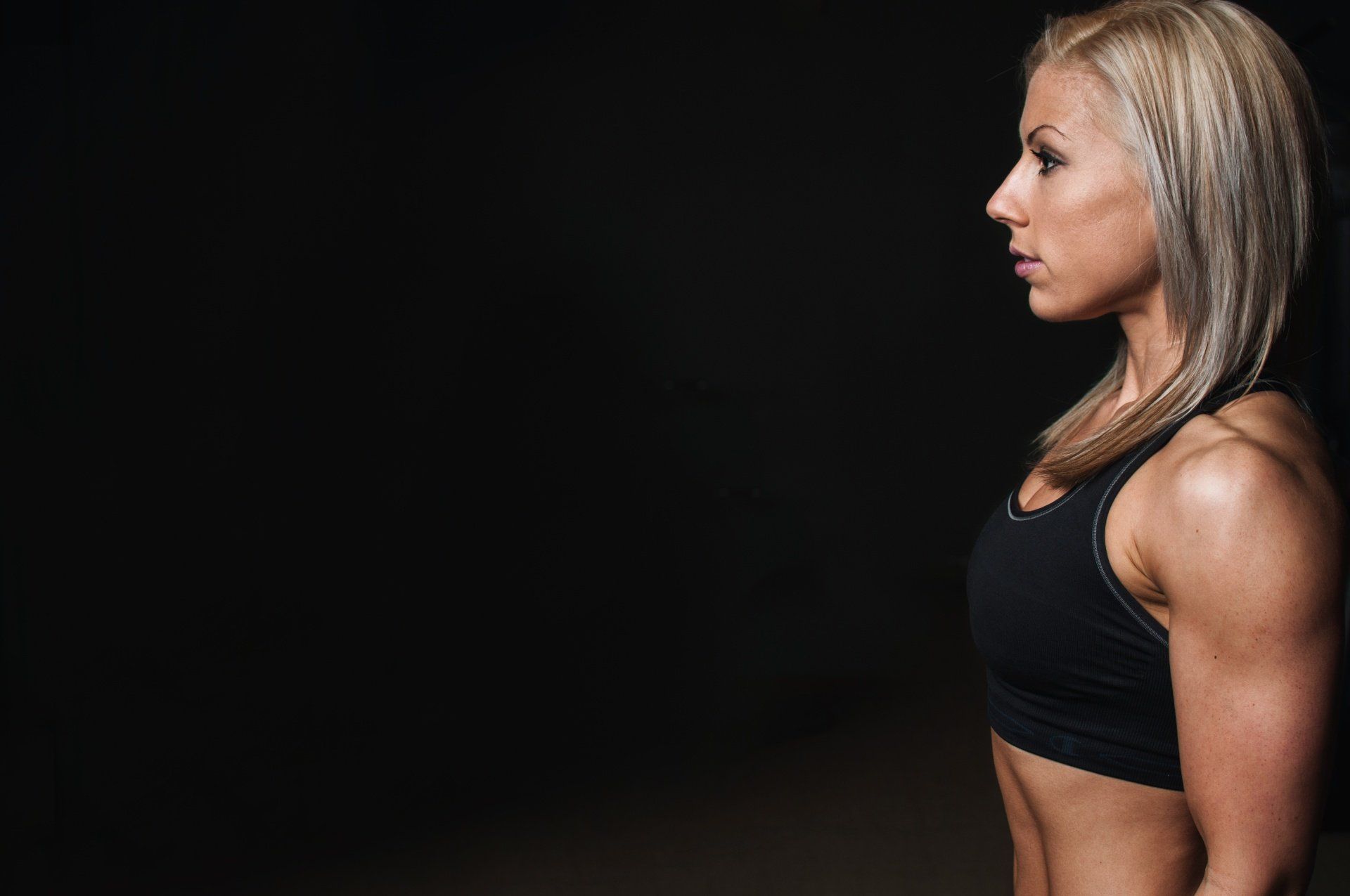
Health isn’t about achieving a specific size—it’s about how we treat our bodies. Are we nourishing ourselves with wholesome, nutrient-dense foods? Are we moving our bodies in ways that feel good, whether that’s dancing, walking, yoga or lifting weights?
For women who are looking for movement that feels genuinely good rather than punishing, yoga is one of the most consistently recommended starting points — and for good reason. It builds strength and flexibility while also training the mind to stay present in the body rather than at war with it. The Manduka PRO yoga mat is the one I keep coming back to — it's durable, supportive, and feels like an investment in yourself rather than just equipment.
Are we getting enough rest and managing our stress levels? These are the factors that contribute to long-term health and well-being, not the number on the scale.
The Importance of Mental Health in the Diet Equation
This is a component that I find especially important in this discussion... mental health. The pressure to conform to societal beauty standards can lead to anxiety, depression and body dysmorphia. When dieting becomes an obsession, it can negatively impact our mental health, making it harder to enjoy life and focus on what truly matters.
Prioritizing mental health means recognizing that your body is more than just its appearance. It’s the vessel that allows you to experience life, connect with loved ones, pursue passions and contribute to the world. When we take care of our mental health, we’re better equipped to make decisions about food, exercise and self-care that truly serve us.
The Role of Self-Compassion
One of the most important lessons we can learn is self-compassion. Being kind to ourselves, especially when we don’t meet society’s expectations, is necessary for our mental and emotional well-being. It’s okay for our bodies to change over time—whether that’s due to aging, pregnancy, stress or simply life’s ebbs and flows.
When we practice self-compassion, we stop beating ourselves up over imperfections and start embracing our bodies as they are. We begin to understand that health is not about being a certain size but about feeling good in our skin and living a life that aligns with our values.
If self-compassion is something you struggle with — and most of us do, especially around our bodies — Self-Compassion: The Proven Power of Being Kind to Yourself by Dr. Kristin Neff is worth every page. Dr. Neff is one of the leading researchers on self-compassion and this book is practical, research-backed, and deeply honest. It has a way of making you feel less alone in the internal voice that criticizes everything — and giving you real tools to quiet it.
Finding Your Path
“To diet or not” isn’t a one-size-fits-all question. Every woman’s body, lifestyle and needs are unique, and the right path is the one that helps you feel your best, both inside and out. Whether that’s focusing on nutrient-rich foods, enjoying movement that brings you joy or simply practicing self-love, the choice is deeply personal.
Your worth isn’t determined by your diet or your weight. You are so much more than a number on a scale, and your journey to health is as unique as you are. So the next time you find yourself wondering whether to diet, consider this: perhaps the real question is how you can nourish and care for yourself in the most loving and sustainable way possible.
Here's to you and your beautiful body,