It's The Most Underrated Form of Self-Care
This post contains affiliate links. As an Amazon Associate We earn from qualifying purchases at no additional cost to you.
For most of my adult life I resisted routine. It felt like the opposite of freedom — a rigid grid that left no room for spontaneity, creativity, or the particular kind of living that felt authentic to me.
What I've come to understand — slowly, through a lot of unnecessary chaos — is that I had it exactly backwards.
Routine doesn't restrict freedom. Done right, it creates it. When the ordinary decisions of your day are handled automatically — when you're not making a hundred small choices about when to exercise, when to eat, when to wind down — your mental energy is freed for the things that actually matter. The creative work. The meaningful conversations. The presence that makes life feel rich rather than just busy.
The women I know who seem most at ease in their lives aren't the ones doing the most or achieving the most. They're the ones who have built reliable structures that hold them — so they can show up fully for what matters without running on empty.
That's what routine actually is. Not a cage. A container.
What Happens In Your Brain When You Have A Routine
The science here is genuinely interesting and worth understanding because it changes how you think about structure entirely.
Every decision you make — even a small one — draws on a finite pool of cognitive resources. Researchers call this decision fatigue, and it's real. By the end of a day filled with countless small choices, your ability to make good decisions degrades measurably. This is why even highly disciplined people make worse choices at night than in the morning.
Routine solves this by automating the decisions that don't need your full attention. When you wake up at the same time, move your body at the same point in your day, eat in patterns that feel natural rather than negotiated — you're conserving your best mental energy for the decisions that actually deserve it.
Routine also lowers cortisol. When your nervous system knows what to expect — when the day has a predictable shape — it doesn't need to stay on alert. The threat-response that triggers stress hormones activates far less frequently when you're not constantly navigating uncertainty. This is why people with consistent routines report lower levels of anxiety and sleep significantly better than those without them.
It's not discipline. It's architecture.
The Parts of My Routine That Changed Everything
I want to be specific here rather than generic, because generic routine advice is everywhere and most of it is useless.
A morning anchor
The first thirty minutes of my day are non-negotiable and belong entirely to me. Water, a few minutes of stillness, my journal. That's it. No email, no phone, no responding to anyone else's needs before I've attended to my own.
This sounds small. It is not small. Starting the day from a place of intentional calm rather than immediate reaction changes the texture of everything that follows. I am more patient, more focused, and more able to handle difficulty on days when I've had those thirty minutes than on days when I haven't.
A dedicated journal makes this practice feel like a ritual rather than a chore. I've used the Intelligent Change Five Minute Journal for years — it takes less than five minutes, structures the reflection without being prescriptive, and consistently sets a tone of gratitude and intention that carries through the day.
Movement at the same time every day
I don't have a complicated exercise program. I walk. Every day, at roughly the same time, for however long feels right — sometimes twenty minutes, sometimes an hour. The consistency of the timing matters more than the duration.
When movement happens at the same point in your day reliably, it stops being a decision and becomes simply the next thing. You don't negotiate with yourself about whether to do it. You just do it — the same way you don't negotiate about whether to brush your teeth.
That shift — from decision to default — is the whole game with habit formation.
An evening wind-down that actually works
The quality of your morning is determined largely by the quality of the night before. I've written about this elsewhere but it bears repeating: you cannot build a good morning on top of a chaotic night.
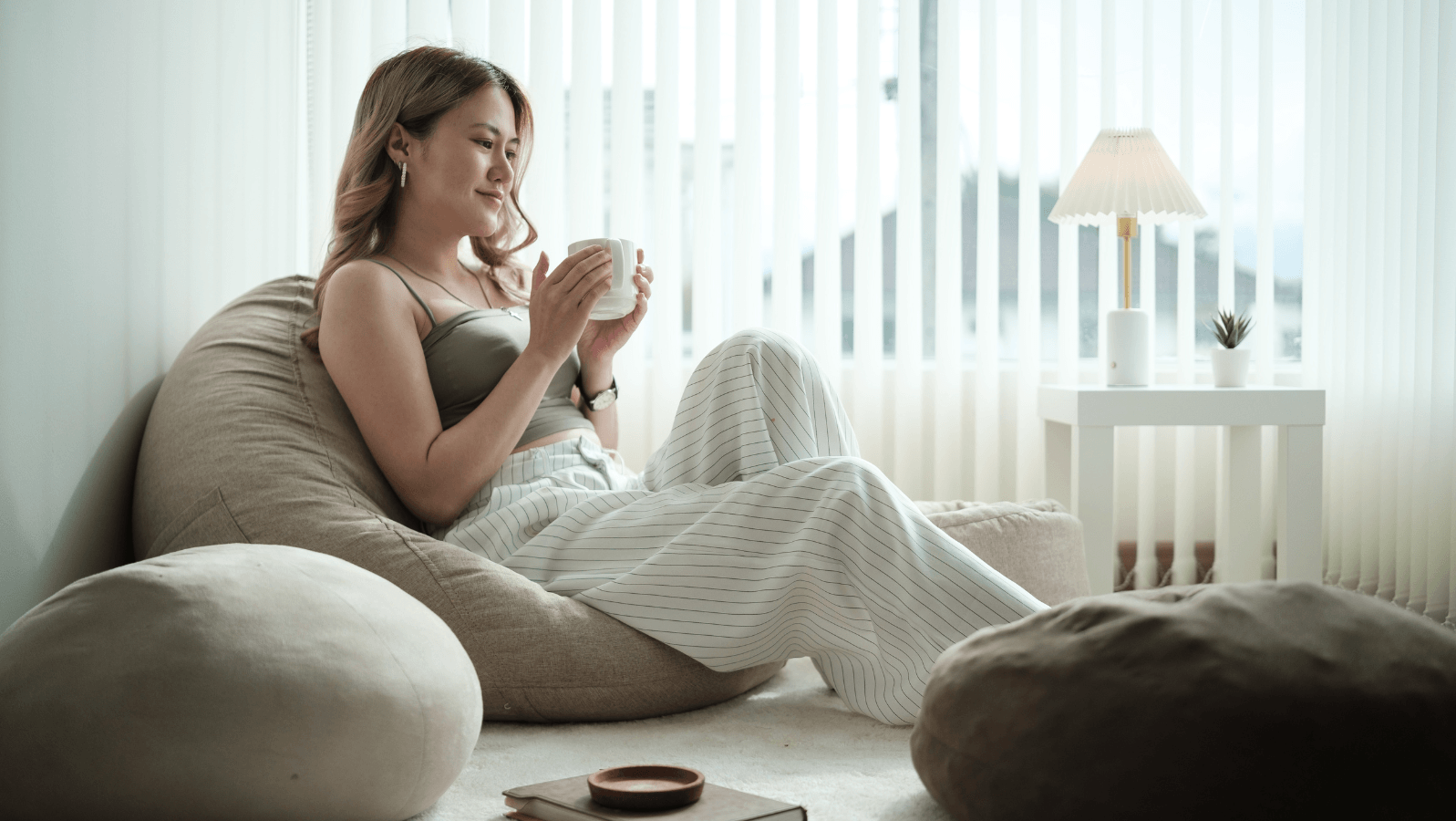
My evening routine is simple — screens off an hour before bed, something warm to drink, light reading. The predictability of it tells my nervous system that the day is genuinely done. Sleep comes faster and runs deeper when your body recognizes the cues.
For women navigating sleep disruption — particularly through perimenopause — a consistent wind-down routine is one of the most effective non-pharmaceutical interventions available. Paired with a white noise machine, which creates a consistent auditory environment that buffers against the middle-of-the-night wake-ups that derail so many women's sleep, the results can be significant.
What To Do When Routine Falls Apart
It will fall apart. Travel, illness, a hard week, a family crisis — life disrupts structure. This is not failure. This is life.
The mistake most people make is treating a disrupted routine as evidence that they can't do it — that they're not a "routine person." The women who maintain good routines long-term don't do it because nothing ever disrupts them. They do it because they've gotten good at returning.
Returning doesn't mean getting back to perfection. It means picking up one anchor habit and starting there. Usually the morning. If you can restore the morning, the rest tends to follow.
The goal is not an unbroken streak. The goal is a life where the default is intentional rather than reactive — and where the distance between drift and return keeps getting shorter.
Building A Routine That Actually Fits Your Life
The only routine that works is the one you'll actually do. Not the one that looks impressive. Not the one the productivity influencer on Pinterest swears by. Yours.
Start with one anchor — one thing you commit to doing at the same time every day for thirty days. Just one. Morning is usually the most powerful place to start because it sets the tone for everything that follows.
Once that anchor is solid, add one more. Build slowly. The routine that lasts is the one that grew organically from your real life rather than being imposed on it from outside.
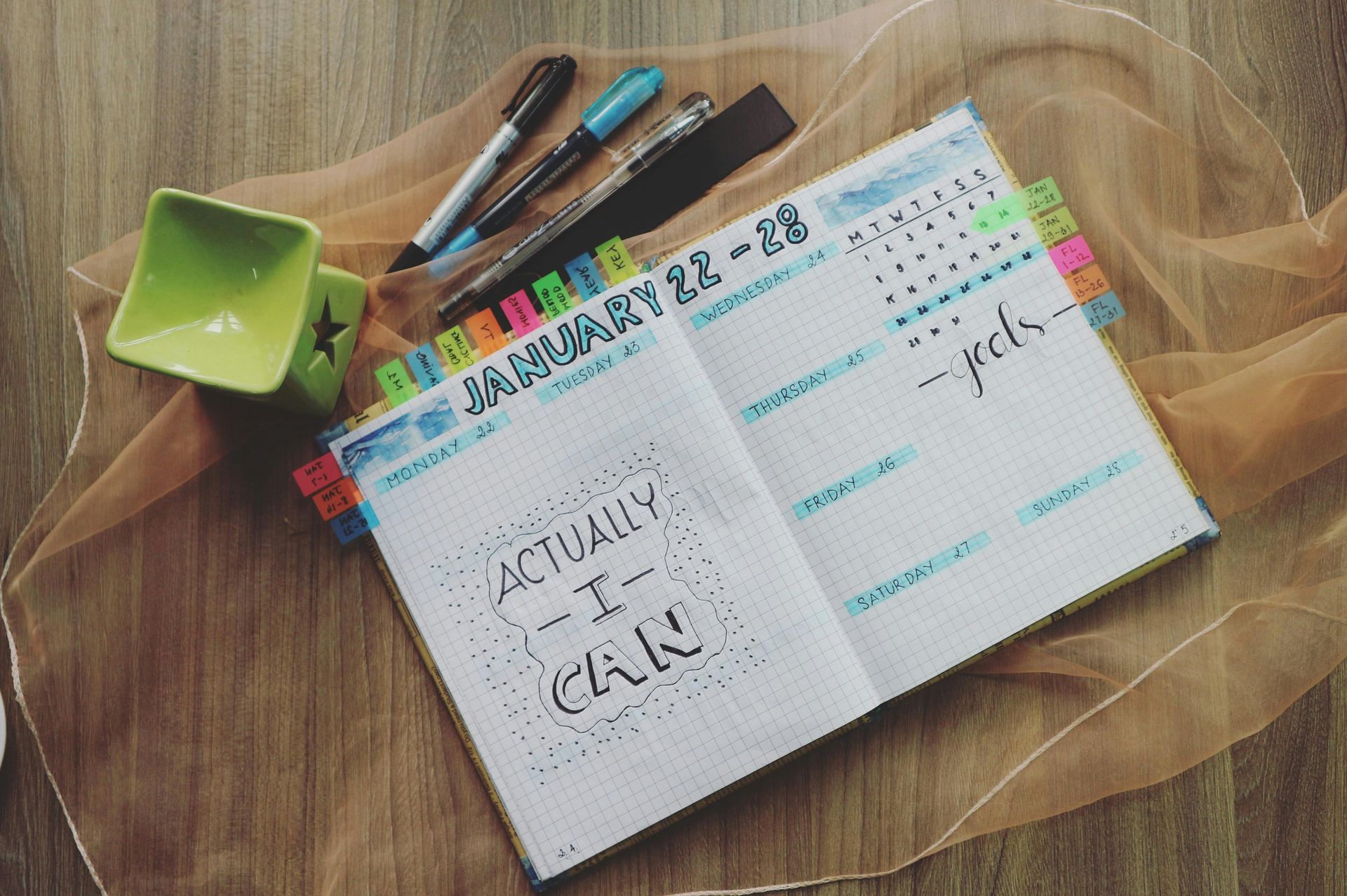
A simple weekly planner helps this process enormously — not because you need to schedule every hour, but because seeing the shape of your week on paper gives you the clarity to protect the time that matters. The Clever Fox Weekly Planner is one I've recommended to several friends — undated so you can start any time, structured enough to be useful without being rigid.
Routine isn't the opposite of a rich life. It's the foundation of one.
When the ordinary is handled, the extraordinary has room to breathe.
Start with one thing. Do it tomorrow.